Basement Wall Structural Reinforcement

When hydrostatic pressure from water-saturated soil builds up against your basement walls over time, the force becomes powerful enough to cause your walls to crack, lean inward, and bow — threatening the structural stability of your entire home. A bowing or leaning basement wall is one of the most serious foundation problems a homeowner can face. It does not fix itself. It does not stay the same. Without professional structural reinforcement, the pressure continues to build and the wall continues to move — until it fails completely. Atlanta Waterproofing provides permanent structural reinforcement solutions that stop wall movement in its tracks, stabilize your foundation, and protect your home from the devastating consequences of structural failure.

Where Can I Get Some?

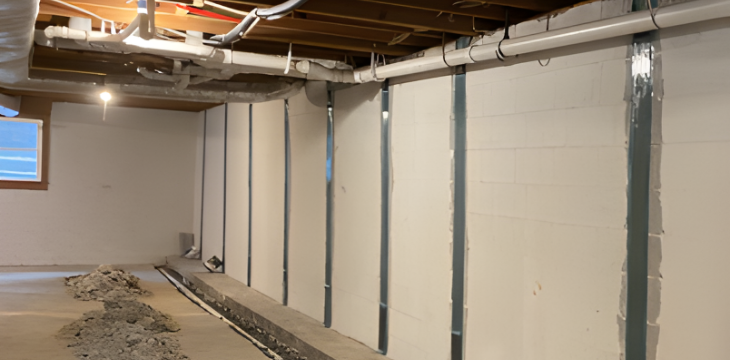
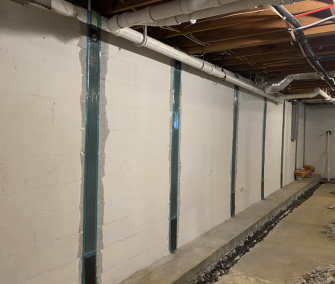
Our certified technicians begin with a thorough structural assessment of your basement walls — measuring the degree of bowing, identifying the location and severity of cracks, and determining the extent of inward movement. Based on our findings, we design and install a customized reinforcement system using high-strength carbon fiber straps or steel wall anchors — the most proven and effective methods available for stabilizing basement walls. Carbon fiber straps are bonded directly to the face of the bowing wall using structural epoxy, creating an incredibly strong reinforcement that prevents any further inward movement. For walls that have moved significantly, steel wall anchors extend through the wall and into the stable soil beyond, allowing the wall to be gradually straightened over time as the anchors are periodically tightened.

  • Permanently stops wall movement caused by hydrostatic soil pressure
  • Carbon fiber & steel reinforcement — the strongest solutions available
  • No exterior excavation required — complete installation from inside your basement
  • Protects your home's structural integrity and preserves its market value
Untitled design (91)

Structural reinforcement is not a project to delay. Every week that passes without treatment allows hydrostatic pressure to push your wall further inward — making the repair more complex, more extensive, and more expensive. The earlier wall movement is identified and treated, the simpler and more cost-effective the solution. That is why we offer free structural assessments as part of every waterproofing inspection — so you know exactly what your walls need before the situation becomes critical. Our reinforcement systems are engineered to last the lifetime of your home, giving you permanent peace of mind that your foundation is stable and secure.

Where Can I Get Some?

How do I know if my basement walls need structural reinforcement?

The most common warning signs of a structurally compromised basement wall include visible horizontal or stair-step cracks running across the wall, walls that visibly lean or bow inward — even slightly, gaps appearing between the wall and the floor or ceiling, doors and windows on the floor above that suddenly stick or no longer close properly, and visible white mineral deposits called efflorescence on your basement walls indicating long-term water pressure. If you notice any of these signs, contact us immediately for a free structural assessment — early intervention dramatically reduces the complexity and cost of repair.


What is the difference between carbon fiber straps and steel wall anchors?

Carbon fiber straps are the preferred solution for walls that are bowing but have not yet moved significantly — typically less than two inches of inward displacement. They are bonded directly to the wall surface using structural epoxy, are extremely strong, require no exterior excavation, and provide immediate stabilization that prevents any further movement. Steel wall anchors are used when walls have moved more significantly or when the goal is not just stabilization but gradual straightening of the wall back toward its original position. Steel anchors extend through the wall into stable soil beyond the affected zone and can be periodically tightened over several seasons to slowly restore the wall to its original position. Our technicians determine which solution is appropriate based on your specific wall conditions during your free inspection.

Can a bowing basement wall be straightened back to its original position?

In many cases, yes — but only if the wall movement is addressed before it becomes too severe. Walls that have moved less than two inches inward can often be gradually straightened over time using steel wall anchor systems that are periodically tightened as the soil conditions allow. Walls that have moved more than two inches may be stabilized to prevent further movement but may not be fully restorable to their original position without more extensive intervention. This is another critical reason why early detection and treatment is so important — the sooner you act, the more options you have and the better the outcome. Our team will give you an honest assessment of what is achievable for your specific wall during your free inspection.

contact

Reach out &
Connect with Us

Don't wait until water damage gets worse. Reach out to Atlanta Waterproofing today and let our experts assess your property, recommend the right solution, and get your home protected — fast.

Get In Touch With Us And Enjoy
Top-Notch Support