Retaining Wall

Atlanta’s rolling terrain and clay-heavy soil create conditions where soil erosion, slope instability, and landscape deterioration are constant challenges for homeowners across the metro area. When a sloped yard is left unmanaged, rainwater accelerates down the slope, carries soil with it, erodes your landscaping, and flows directly toward your foundation — increasing the risk of basement flooding, crawlspace moisture, and foundation damage with every storm. A professionally engineered and installed retaining wall solves all of these problems simultaneously — holding back soil on sloped properties, preventing erosion, managing water flow, protecting your landscaping investment, and defending your foundation from the constant pressure of moving earth and water. Atlanta Waterproofing designs and builds retaining walls that are engineered to last, built to perform, and finished to enhance the appearance and value of your property.


How Does a Retaining Wall Protect Your Property?

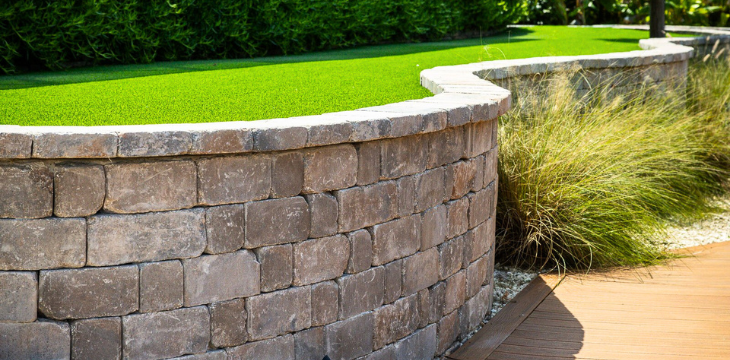
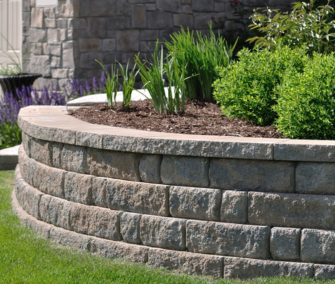
A retaining wall works by creating a solid vertical barrier that holds back the lateral pressure of soil on a sloped section of your property. By stabilizing the slope, the wall prevents soil movement during rainfall events — stopping erosion, controlling runoff, and redirecting water away from your foundation rather than allowing it to flow unchecked toward your home. Every retaining wall we build is engineered with proper drainage behind the wall — including a gravel backfill layer and perforated drain pipe — to relieve hydrostatic pressure that would otherwise build up behind the wall and cause it to lean, crack, or fail over time. Our walls are built to handle Atlanta’s soil conditions, rainfall volumes, and temperature fluctuations — delivering structural performance and aesthetic appeal that last for decades.

  • Holds back soil & prevents erosion on sloped properties permanently
  • Redirects water away from your foundation during heavy rainfall
  • Built-in drainage system behind the wall prevents hydrostatic pressure buildup
  • Enhances your property's appearance and increases its market value
Untitled design - 2026-03-05T091030.278

Every retaining wall we design and build is custom engineered for your property’s specific slope angle, soil conditions, drainage requirements, and aesthetic preferences. We offer a range of wall materials and finishes to complement your home’s exterior — from natural stone and concrete block to timber and poured concrete — ensuring your retaining wall is not just structurally sound but also a beautiful and lasting addition to your landscape. Our team handles everything from initial site assessment and engineering to excavation, construction, drainage installation, and final landscape restoration — delivering a complete, professional result that solves your erosion and drainage problems while enhancing the curb appeal and value of your property.

Where Can I Get Some?

How do I know if I need a retaining wall on my property?

The most common signs that your property needs a retaining wall include visible soil erosion on sloped areas of your yard — particularly after heavy rain, soil washing onto your driveway, walkways, or toward your foundation after storms, a sloped yard that drains water directly toward your home rather than away from it, existing retaining walls that are leaning, cracking, or showing signs of failure, landscaping on a slope that is difficult to maintain due to constant erosion, and chronic wet or muddy areas at the base of a slope on your property. If you recognize any of these conditions, contact us for a free property assessment — our team will evaluate your slope conditions and recommend the most effective and cost-efficient retaining wall solution for your specific situation.

What materials are used to build retaining walls and which is best?

Retaining walls can be constructed from a variety of materials including concrete block, natural stone, poured concrete, timber, and segmental retaining wall systems. Each material has its own strengths, aesthetic qualities, and appropriate applications depending on the height of the wall, the soil pressure it needs to resist, the drainage requirements behind the wall, and the desired appearance. Concrete block and segmental retaining wall systems are among the most popular choices for residential applications — they are extremely durable, available in a wide range of finishes and colors, and engineered specifically for retaining wall construction. Natural stone walls offer a beautiful, organic aesthetic that complements traditional home styles. Our technicians will walk you through the available options during your free consultation and help you select the material that best fits your structural requirements, aesthetic preferences, and budget.


Why do retaining walls fail and how do you prevent it?

The most common cause of retaining wall failure is inadequate drainage behind the wall. When water saturates the soil behind a retaining wall and has nowhere to go, hydrostatic pressure builds up and pushes the wall outward — causing it to lean, crack, and eventually collapse. This is why every retaining wall we build includes a properly engineered drainage system behind the wall — a layer of gravel backfill combined with a perforated drain pipe that collects water building up behind the wall and channels it safely away before pressure can develop. Other causes of retaining wall failure include improper footing depth, insufficient wall thickness for the height and soil load, and use of inappropriate materials for the specific application. Our walls are engineered and built to avoid every one of these failure points — delivering structural performance and longevity that inferior installations simply cannot match.

contact

Reach out &
Connect with Us

Don't wait until water damage gets worse. Reach out to Atlanta Waterproofing today and let our experts assess your property, recommend the right solution, and get your home protected — fast.

Get In Touch With Us And Enjoy
Top-Notch Support