Commercial Expansion Joint Waterproofing

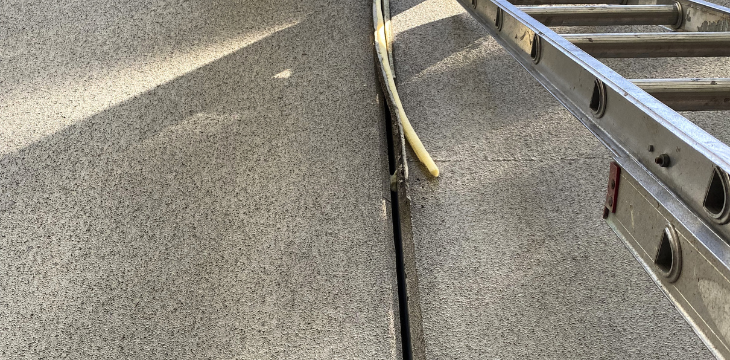
Every commercial building — regardless of size, age, or construction type — contains expansion joints. These intentional gaps built into floors, walls, roofs, parking structures, and facades are engineering necessities that allow the building to expand and contract with temperature changes, absorb structural movement, and prevent cracking caused by the natural settling and shifting of large structures over time. But expansion joints are also one of the most vulnerable points in any commercial building’s waterproofing system. When the sealant and waterproofing membrane inside an expansion joint deteriorates, fails, or is improperly installed, water finds its way through the joint and into the building structure — causing progressive and often invisible damage to floors, walls, ceilings, reinforced concrete, and the building’s foundational elements. Atlanta Waterproofing provides professional commercial expansion joint waterproofing services that seal, restore, and protect every expansion joint in your building — stopping water infiltration permanently and preserving the structural integrity of your commercial property for decades to come.

How Does Expansion Joint Waterproofing Work?

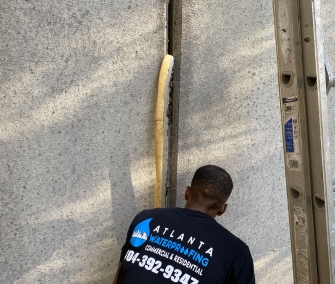
Our certified commercial waterproofing technicians begin with a comprehensive inspection of every expansion joint throughout your building — identifying failed sealant, deteriorated waterproofing membranes, open gaps, and active water infiltration points. We then carefully remove all failed sealant material and deteriorated membrane from the joint, thoroughly clean and prepare the joint surfaces to ensure maximum adhesion of the new waterproofing system. Depending on the joint location, movement requirements, and water exposure level, we select and install the most appropriate waterproofing solution — which may include a high-performance polyurethane or silicone sealant system, a prefabricated expansion joint cover system, a liquid-applied waterproofing membrane, or a combination of systems engineered to provide both waterproof performance and the flexibility needed to accommodate the joint’s ongoing movement. Every expansion joint waterproofing system we install is designed to move with the building — maintaining a continuous waterproof seal through years of thermal expansion, contraction, and structural movement.

  • Permanently seals expansion joints against water infiltration throughout your building
  • Flexible waterproofing systems that move with the building without cracking or failing
  • Protects structural concrete, steel & interior finishes from progressive water damage
  • Engineered for long-term performance through years of building movement and weather exposure
Untitled design - 2026-03-05T104004.191

Expansion joint waterproofing is one of the most technically demanding and critically important aspects of commercial building maintenance — and one of the most commonly neglected. Because expansion joints are often located in areas that are not regularly inspected — beneath flooring systems, behind wall cladding, inside parking structure decks, and along roofline transitions — their deterioration goes unnoticed until water damage to the surrounding structure has already become extensive and expensive. At Atlanta Waterproofing, our commercial waterproofing team brings the expertise, materials, and attention to detail needed to identify, address, and permanently resolve expansion joint waterproofing failures throughout your building — protecting your investment, your tenants, and your property’s long-term structural integrity.

Frequently Asked Questions

What are the most common locations for expansion joints in commercial buildings?

Expansion joints are found throughout commercial structures in a wide variety of locations. The most common include floor expansion joints where large concrete slabs meet or transition between building sections, wall expansion joints that run vertically through exterior facade systems and interior wall assemblies, roof expansion joints that allow roofing systems to move without tearing or cracking, parking structure deck joints that are exposed to heavy vehicle traffic and direct weather exposure, bridge and elevated walkway joints that experience significant thermal movement and live load deflection, and facade joints between curtain wall panels and building cladding systems. Each location presents unique waterproofing challenges based on the degree of movement required, the level of water exposure, and the accessibility of the joint for inspection and maintenance. Our team has experience waterproofing expansion joints in every commercial building application — and brings the right solution to every situation.

How do I know if my building's expansion joints are failing?

The signs of expansion joint waterproofing failure in commercial buildings include water stains, efflorescence, or active leaking at or near expansion joint locations on interior walls, floors, or ceilings, visible cracking, tearing, pulling away, or complete absence of sealant material inside the joint, rust staining on concrete surfaces near the joint indicating water is reaching and corroding embedded steel reinforcement, pooling water on parking deck or roof surfaces near expansion joint locations, a musty or moldy odor in areas adjacent to expansion joints indicating hidden moisture accumulation, and visible deterioration of flooring, wall finishes, or ceiling systems in areas surrounding expansion joint locations. If your building shows any of these signs, contact us immediately for a professional commercial waterproofing assessment — early intervention significantly reduces the cost and complexity of expansion joint repair.


How often should commercial expansion joints be inspected and maintained?

Commercial expansion joints should be professionally inspected at a minimum every three to five years — and annually for buildings in high-exposure locations such as those with large parking structures, extensive flat roof systems, or facades facing prevailing wind and rain. The waterproofing sealant in expansion joints has a finite service life that varies depending on the type of sealant used, the degree of joint movement, and the level of UV and weather exposure the joint receives. Proactive inspection and maintenance — replacing sealant before it fails completely — is dramatically more cost-effective than reactive repair after water infiltration has already caused structural damage. Atlanta Waterproofing offers commercial building maintenance programs that include regular expansion joint inspection and resealing — giving you scheduled, professional protection that keeps your building watertight year after year.

contact

Reach out &
Connect with Us

Don't wait until water damage gets worse. Reach out to Atlanta Waterproofing today and let our experts assess your property, recommend the right solution, and get your home protected — fast.

Get In Touch With Us And Enjoy
Top-Notch Support